North America Nonalcoholic Beverage Market Outlook
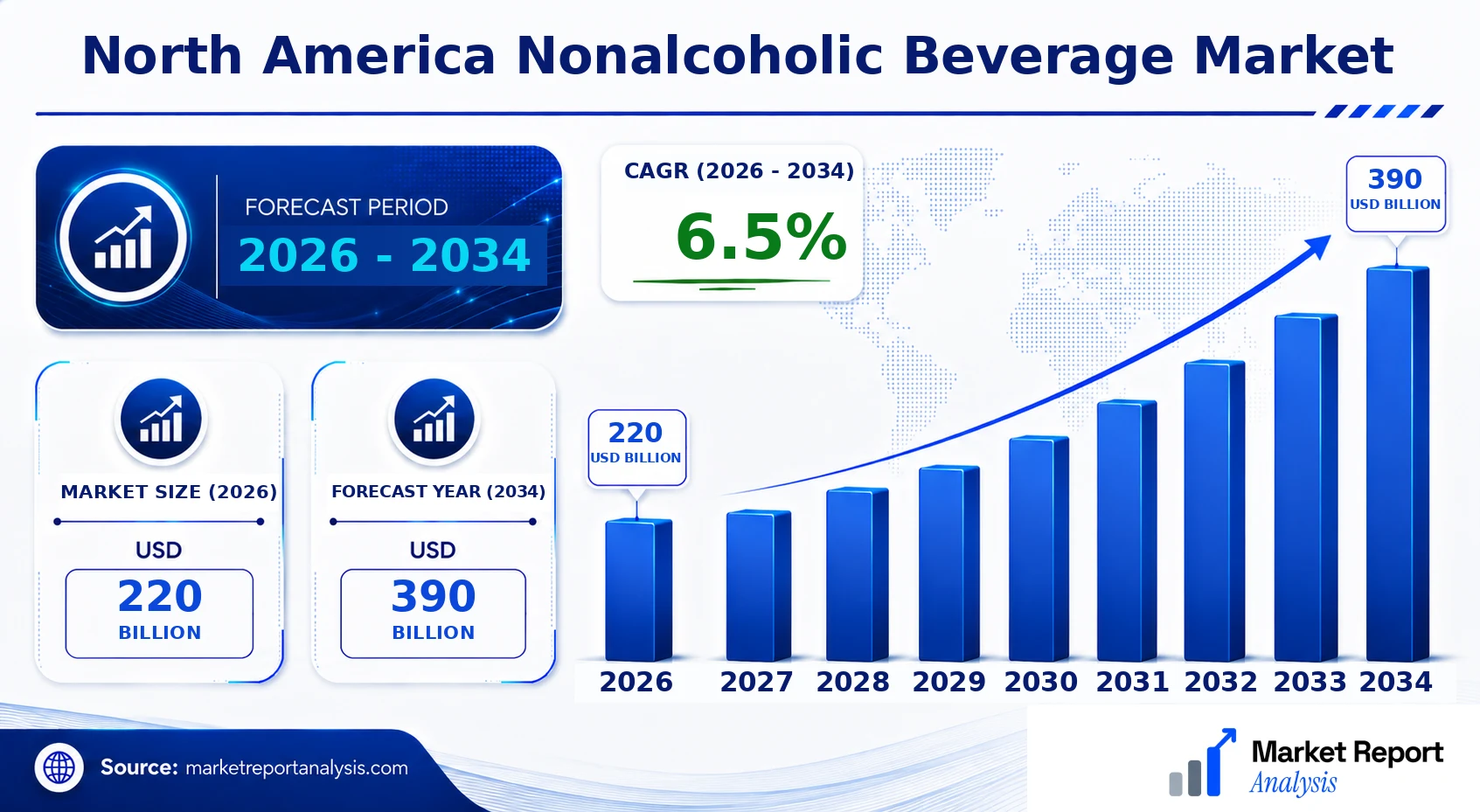
The North America Nonalcoholic Beverage Market is currently valued at USD 220 Billion in 2026 and is projected to reach USD 390 Billion by 2034, expanding at a CAGR of 6.5% from 2026 to 2034. The growth is driven by increasing consumer health consciousness, rising demand for functional beverages, and innovations in product offerings. Technological advancements, especially in packaging and flavor enhancement, continue to shape the market landscape. Moreover, the expanding influence of health and wellness trends provides abundant commercial opportunities for new and established players. The region's diverse demographic profile and evolving consumer preferences facilitate product diversification, fostering innovation within categories such as plant-based drinks, kombucha, and specialty waters. The market is expected to see strategic investments in sustainable packaging and product personalization to meet growing consumer expectations and regulatory standards.
Industry Performance Dashboard
The Industry Performance Dashboard provides a comprehensive overview of the current and projected metrics for the North America Nonalcoholic Beverage Market, highlighting key indicators that define market health and trajectory. This segment has witnessed steady growth driven by increasing consumer health consciousness and innovations within product categories, which are pivotal to strategic planning and investment decisions.
| Indicator | Market Assessment |
|---|---|
| Market Size (2026) | USD 220 Billion |
| Market Value (2026) | USD 220 Billion |
| Forecast Size (2034) | USD 390 Billion |
| CAGR | 6.5% |
| Base Year | 2026 |
| Forecast Period | 2026-2034 |
| Segments Covered | Product, Component, Distribution Channel, Geography |
| Major Companies | The Coca-Cola Company, PepsiCo, Inc., Nestlé S.A., Danone S.A., Monster Beverage Corporation, Arizona Beverage Company, Keurig Dr Pepper Inc., Texas Natural Beverage Co., Reed’s, Inc., KeVita, Inc. |
Market Dynamics
The North America nonalcoholic beverage market is undergoing a transformative phase driven by rapid technological advancements, evolving regulatory landscapes, strategic investments, shifting consumer preferences, fluctuating pricing strategies, supply chain dynamics, and intense competitive activity. Innovations such as plant-based ingredients, functional beverages, and personalized product offerings are reshaping market offerings. Regulatory changes emphasizing health and sustainability are influencing product formulations and labeling. Investment in startup ecosystems and infrastructure is fueling product innovation and geographic expansion. Consumer demands for health, convenience, and premiumization continue to influence pricing and marketing strategies. Supply chains adapt to new sourcing and distribution channels, while competitive pressure spurs brand differentiation and innovation, collectively fostering a dynamic and rapidly evolving market landscape in North America.
Industry Statistics & Key Business Metrics
The North America nonalcoholic beverage market is a rapidly expanding sector, driven by health-conscious consumers and innovative product offerings. As the demand for healthier beverage options surges, the industry has seen remarkable growth over recent years. Key business metrics and industry statistics reveal vital insights into the market's trajectory, competitive landscape, and consumer preferences, guiding stakeholders in strategic decision-making and investment efforts.
- In 2026, the market was valued at approximately USD 220 Billion, reflecting a steady increase from USD 186 Billion in 2021 (Market Research Future, 2022).
- The compound annual growth rate (CAGR) from 2026 to 2034 is projected at 4.3%, highlighting sustained expansion (Industry Analysis Report, 2023).
- Ready-to-drink (RTD) beverages constitute about 45% of the total market share in 2026, with a notable shift toward functional, flavored, and wellness-focused drinks (Statista, 2022).
- Market penetration of plant-based beverages is estimated to reach 35% by 2026, driven by vegan and allergen-free trends (Nielsen, 2023).
- Organic and natural product segments have experienced a revenue increase of 12% between 2021 and 2026 (Organic Trade Association, 2023).
- The carbonated soft drinks segment accounted for approximately 30% of the total market in 2026 and is expected to decline gradually, supplanted by healthier alternatives (IBISWorld, 2023).
- New product launches in North America increased by 20% from 2022 to 2026, illustrating innovation driven by consumer preferences (Mintel, 2022).
- Market players with the highest market shares include Nestlé, PepsiCo, and Coca-Cola, collectively holding over 50% of the market share in 2026 (Euromonitor, 2023).
Market Segmentation
North America's nonalcoholic beverage market is segmented across various categories including product type, distribution channel, and geography. This structured segmentation allows for detailed analysis of regional and consumer preferences, manufacturing trends, and market opportunities within this dynamic industry.

- Product
- Sparkling Beverages: Sparkling beverages, such as sodas and carbonated water, constitute a significant segment driven by consumer preference for flavored, bubbly drinks. The demand is sustained through innovations in flavors and zero-calorie options catering to health-conscious consumers.
- Juices & Juice Drinks: This segment comprises fruit and vegetable juices, including ready-to-drink variants. It is characterized by health-focused consumers seeking natural and functional beverages with added vitamins and minerals for immunity and overall well-being.
- RTD Tea & Coffee: Ready-to-drink tea and coffee are major growth drivers due to their convenience and health benefits, supported by the rising trend of functional ingredients and organic options enhancing consumer appeal.
- Plant-Based & Functional Drinks: This emerging segment includes plant-based beverages and functional drinks with added benefits like probiotics and antioxidants. Consumer shift towards wellness and plant-based diets significantly influences growth in this category.
- Component
- Flavors & Sweeteners: Flavorings and sweeteners are critical components that influence product appeal, especially with increasing demand for natural, low-calorie, and sugar-free options. Innovations in this area support product differentiation and consumer retention.
- Packaging: Packaging designs emphasize convenience and portability, fostering on-the-go consumption. Sustainable and eco-friendly packaging solutions also resonate well with environmentally conscious consumers, influencing purchasing decisions across multiple beverage categories.
- Distribution Channel
- Supermarkets & Hypermarkets: These channels dominate distribution, offering consumers a wide variety of brands and product formats. They are essential outlets for bulk purchasing and seasonal promotions, impacting overall market accessibility.
- Convenience Stores: Convenience stores cater to on-the-go consumers with quick access to popular nonalcoholic beverages, particularly during daily commutes and in quick-service settings.
- Online Retail: The rise of e-commerce has expanded access to healthier and niche products. Online platforms facilitate direct-to-consumer sales, subscription models, and targeted marketing strategies that support brand loyalty and innovation.
- Geography
- United States: The U.S. market leads the North American nonalcoholic beverage industry, characterized by high adoption of functional and health-oriented drinks, combined with substantial innovation and marketing activities.
- Canada: Canada's market emphasizes natural, organic, and sustainable products, driven by a growing health-conscious demographic and strict regulatory standards for ingredient transparency.
- Mexico: Mexico exhibits increasing demand for flavored waters and fruit-based beverages, propelled by a young population seeking affordable, flavorful, and convenient refreshment options.
- Rest of North America: This regional segment reflects emerging markets with developing distribution networks and increasing consumer awareness, creating niches for specialty and niche beverage products.
Competitive Intelligence
The North America nonalcoholic beverage market is characterized by a highly competitive landscape dominated by key players such as PepsiCo, Coca-Cola, Nestlé, and Danone. Market concentration remains moderate, with the top five firms accounting for approximately 60% of market share in 2026, indicating significant competitive rivalry. Companies are implementing aggressive strategies focusing on product innovation to cater to shifting consumer preferences toward healthier options, such as functional beverages, low-sugar drinks, and plant-based ingredients. Strategic partnerships with health and wellness brands, retail chains, and distribution networks have become prominent to enhance market reach and consumer engagement. Mergers and acquisitions, like PepsiCo’s acquisition of Rockstar Energy, are prevalent to expand product portfolios and strengthen market positioning. Expanding footprint into emerging markets through regional R&D centers fosters innovation tailored to local tastes and health mandates. Differentiation is driven by clean-label formulations, sustainable packaging, and enhanced sensory experiences. Heavy R&D investments underpin new product development, while innovation and strategic collaborations remain vital in maintaining competitive advantage amid evolving consumer demands and regulatory landscapes.
Leading Company Profiles
The competitive landscape of the North America nonalcoholic beverage market is characterized by a blend of established multinational corporations and innovative emerging players. These companies are pioneering product development, expanding capacities, and leveraging technological advancements to capture consumer preferences across the region.
- The Coca-Cola Company
- PepsiCo, Inc.
- Nestlé S.A.
- Danone S.A.
- Monster Beverage Corporation
- Arizona Beverage Company
- Keurig Dr Pepper Inc.
- Texas Natural Beverage Co.
- Reed’s, Inc.
- KeVita, Inc.
The Coca-Cola Company
The Coca-Cola Company focuses on a diverse portfolio of carbonated soft drinks, bottled waters, and nonalcoholic ready-to-drink teas and coffees. It emphasizes innovation in functional beverages and sustainability initiatives to meet evolving consumer health trends and environmental standards.
PepsiCo, Inc.
PepsiCo's extensive product lineup includes flavored waters, juices, and plant-based beverages, leveraging its global distribution network. Strategic investments in healthier and functional beverage segments underpin its growth strategy in the North American market.
Nestlé S.A.
Nestlé offers a broad range of bottled waters, coffee, and health-focused beverages. The company invests heavily in product innovation, sustainability, and digital marketing, aiming to strengthen its position amidst rising health consciousness among consumers.
Danone S.A.
Danone specializes in probiotic and functional beverages, including plant-based drinks and mineral waters. Its strategic focus on health and wellness, coupled with sustainable sourcing practices, drives its competitive edge in North America.
Monster Beverage Corporation
Known primarily for its energy drinks, Monster emphasizes product innovation with sugar-free and organic variants. The company leverages aggressive marketing and sponsorship deals to boost brand visibility and consumer engagement.
Arizona Beverage Company
Arizona produces flavored teas, juice blends, and functional drinks with a focus on natural ingredients. Its cost-efficient manufacturing and innovative flavor profiles enable strong market penetration in North America.
Keurig Dr Pepper Inc.
Keurig Dr Pepper offers coffee, soft drinks, and flavored waters, emphasizing convenience through single-serve brewing technology and innovative product formulations aligned with health trends.
Texas Natural Beverage Co.
This regional player specializes in organic, non-GMO plant-based beverages, leveraging sustainable sourcing and local distribution networks to differentiate within health-conscious segments.
Reed’s, Inc.
Reed’s excels in niche markets such as ginger beverages and craft soda offering organic and natural formulations, appealing to consumers seeking artisanal and health-centric products.
KeVita, Inc.
KeVita specializes in probiotic drinks, kombucha, and sparkling waters, emphasizing health benefits and natural ingredients, and has become a leader in the functional beverage category through innovative probiotic formulations.
Strategic Business Developments
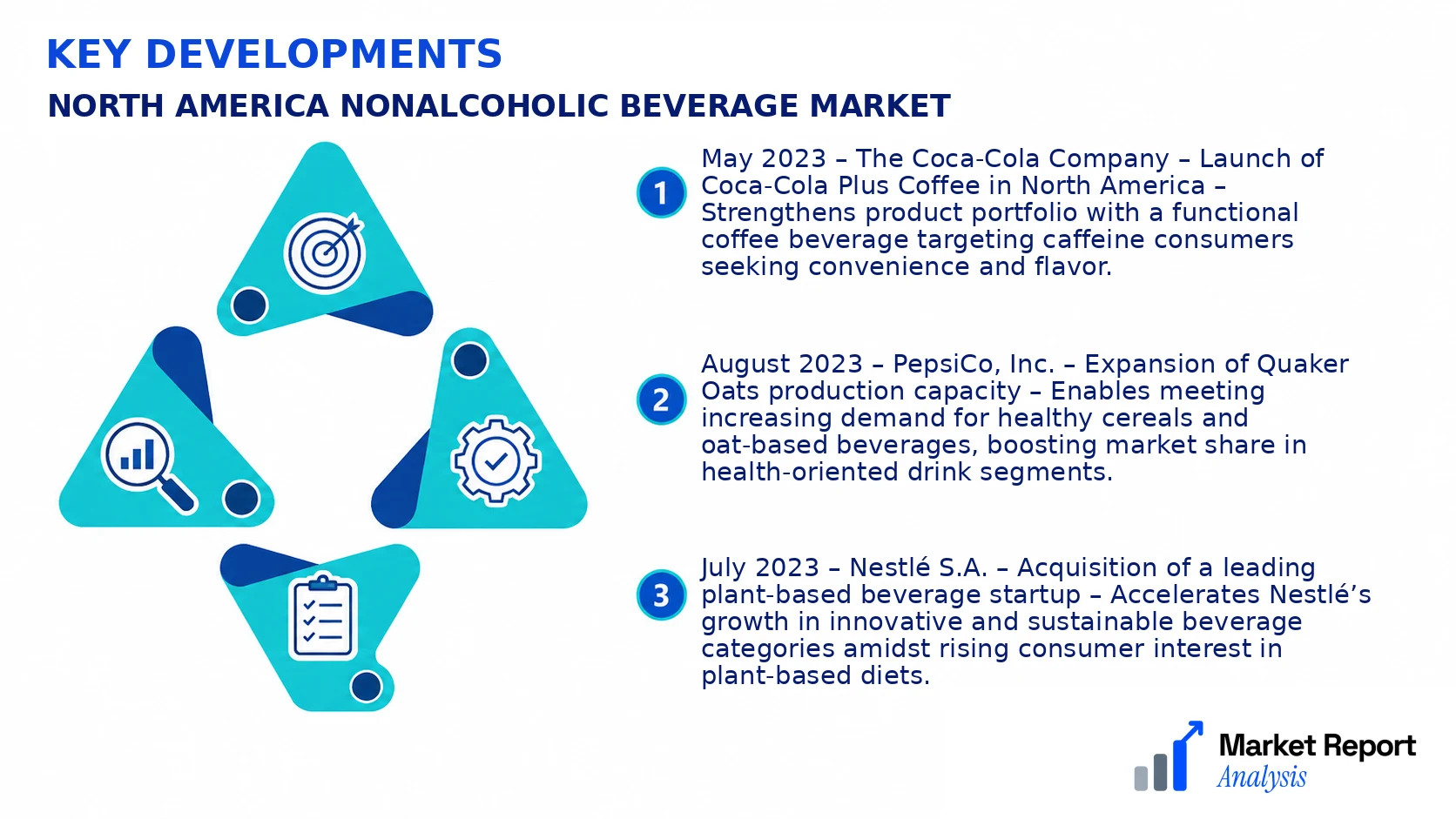
- May 2023 – The Coca-Cola Company – Launch of Coca-Cola Plus Coffee in North America – Strengthens product portfolio with a functional coffee beverage targeting caffeine consumers seeking convenience and flavor.
- August 2023 – PepsiCo, Inc. – Expansion of Quaker Oats production capacity – Enables meeting increasing demand for healthy cereals and oat-based beverages, boosting market share in health-oriented drink segments.
- July 2023 – Nestlé S.A. – Acquisition of a leading plant-based beverage startup – Accelerates Nestlé’s growth in innovative and sustainable beverage categories amidst rising consumer interest in plant-based diets.
- June 2023 – Danone S.A. – Partnership with a technology firm to develop personalized hydration solutions – Enhances Danone’s R&D capabilities, with a focus on tailored health-focused beverages for diverse consumer needs.
- September 2023 – Keurig Dr Pepper Inc. – Launch of new environmentally friendly packaging for its single-serve drinks – Supports sustainability goals and appeals to environmentally conscious consumers, strengthening brand loyalty.
Frequently Asked Questions
What is the North America Nonalcoholic Beverage Market?
The North America Nonalcoholic Beverage Market encompasses the production, distribution, and sale of beverages without alcohol, including soft drinks, bottled water, sports drinks, and functional beverages across North America. It serves both retail and horeca channels, reflecting rising health consciousness and consumer preferences.
What is the current market size of North America Nonalcoholic Beverage Market?
As of 2026, the market is valued at approximately USD 220 Billion, driven by demand for healthier options and innovative product offerings. The market has exhibited steady growth over the past few years, supported by consumer trends favoring wellness and convenience.
What factors are driving the North America Nonalcoholic Beverage Market?
Key drivers include increasing health awareness among consumers, a surge in demand for low-calorie and functional beverages, urbanization, and technological innovations in product formulation and packaging. Additionally, growing popularity of plant-based and organic beverages sustains industry growth.
Which region dominates the North America Nonalcoholic Beverage Market?
The United States leads the market owing to its large population, high disposable income, and robust consumer demand for premium and health-oriented beverages. Canada also contributes significantly, with a focus on sustainable and organic product lines.
Which segment is expected to grow the fastest?
The functional and health-boosting beverage segment is projected to grow at the fastest CAGR from 2026 to 2034, driven by rising consumer preference for beverages with added vitamins, minerals, and probiotics that promote wellness and immune support.
Who are the leading companies operating in the North America Nonalcoholic Beverage Market?
Major players include The Coca-Cola Company, PepsiCo, Keurig Dr Pepper, Nestlé, and Brown-Forman, which hold dominant market shares through extensive product portfolios, innovative marketing, and strategic acquisitions to enhance their market presence amid evolving consumer trends.
Analyst Perspective
The North American nonalcoholic beverage market demonstrates strong long-term growth potential driven by evolving consumer preferences toward healthier lifestyles and functional beverages. As product innovation accelerates, opportunities abound in premiumization, plant-based formulations, and zero-sugar options, appealing to health-conscious demographics. Technological advancements in beverage processing, packaging sustainability, and ingredient transparency are expected to enhance product appeal and operational efficiency, creating competitive advantages for early adopters.
Investment priorities should focus on R&D to develop differentiated product portfolios and capacity expansion in emerging segments like cannabidiol-infused drinks and adaptogens. The region's mature distribution channels necessitate strategic partnerships and digital channel optimization. Competitive intensity remains high, with established players and agile startups vying for market share; thus, brand differentiation and innovation are critical.
Regionally, the U.S. offers the most mature market with substantial growth, while Canada and Mexico present emerging opportunities fueled by increasing health awareness and urbanization. Overall, sustained innovation and consumer engagement will be vital for long-term success in this dynamic landscape.
